
Strain Selection
Seaweed growth performance and compound composition varies both within and among species, making strain-level evaluation and selection essential for results
Pure Algae offers systematic screening of seaweed species and strains to identify those best suited for a customer’s cultivation system and production objectives.
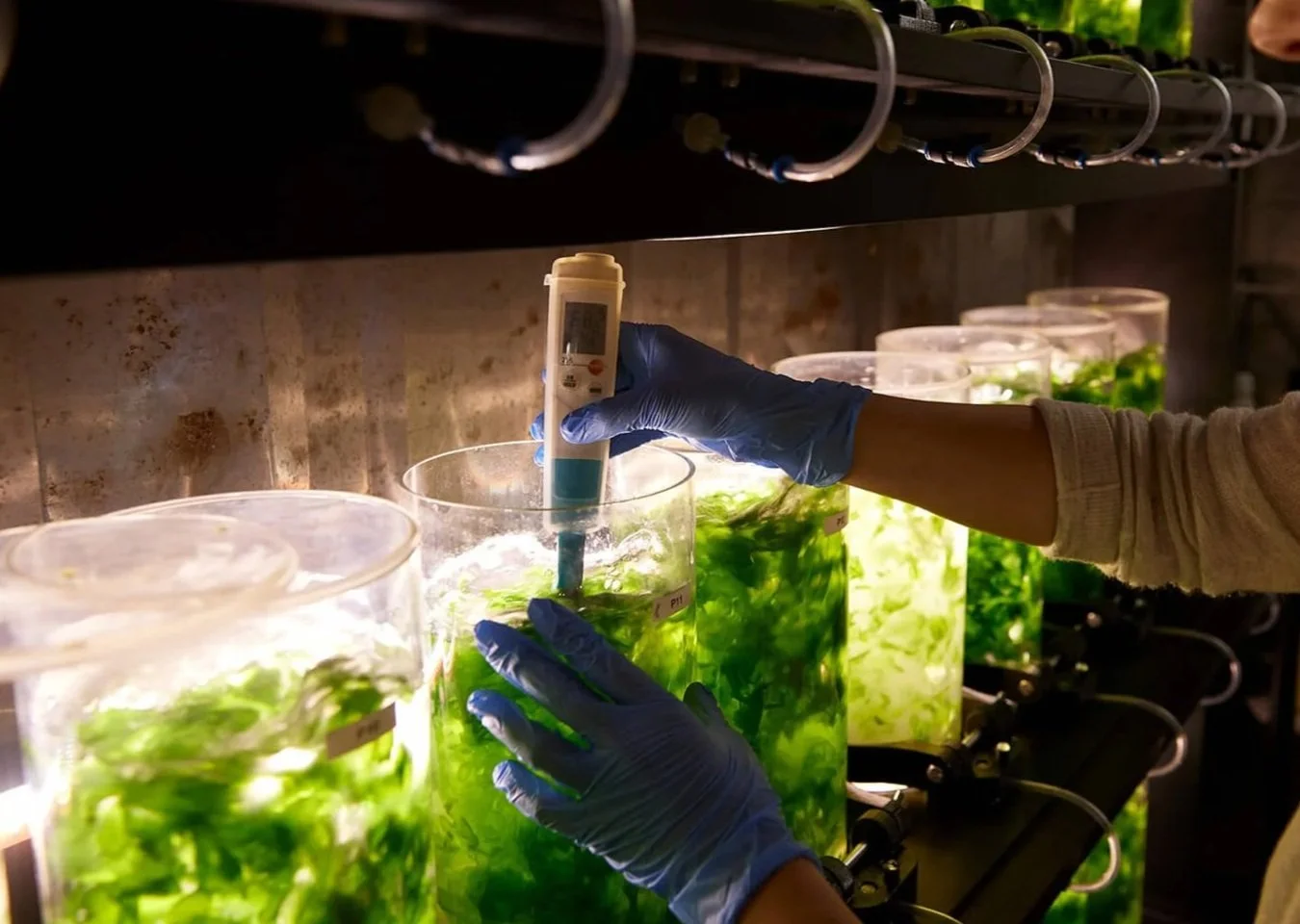
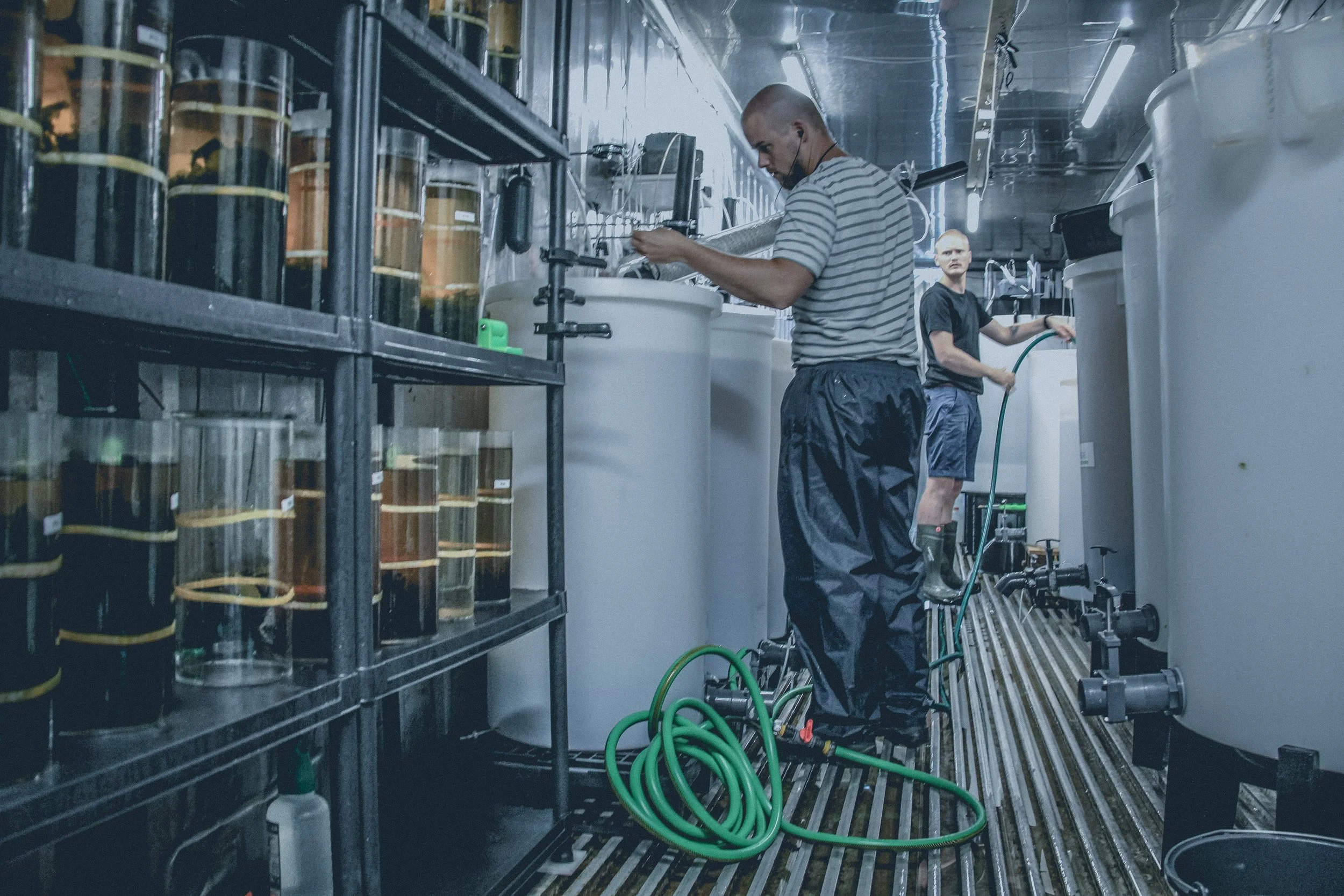
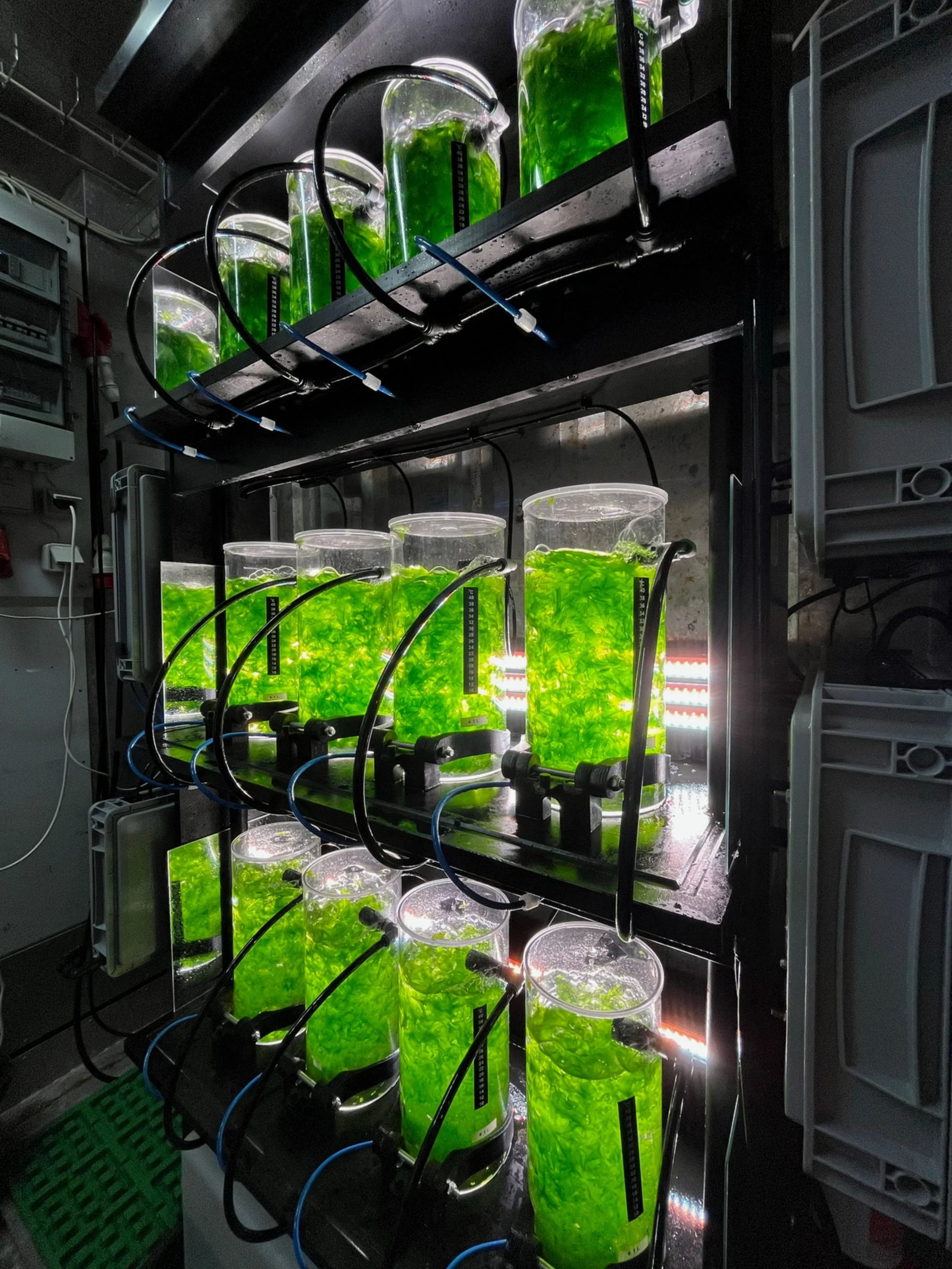
All strain selection experiments are conducted in the Pure Algae Laboratory Setup(or under conditions specified by the customer), where multiple strains can be cultivated under controlled and reproducible conditions. This allows direct comparison of strain performance within a defined range of abiotic parameters relevant to the target production environment.
Strains are evaluated based on response parameters, defined together with the customer.
These may include:
Production performance
Specific growth rate (SGR)
Biomass yield (DW or FW)
Productivity per volume or cultivation area
Biomass density optimum (performance at high stocking density)
Robustness and cultivation stability
Respondance to light intensity
Temperature tolerance
Salinity tolerance
pH tolerance
Resistance to biofouling or epiphytes
Resistance to microbial stress or contamination
Mechanical robustness during handling or harvesting
Biomass composition and product quality
Protein content
Pigment content (e.g. chlorophylls, carotenoids, phycobiliproteins depending on species)
Polysaccharide content
Lipid content
Amino acid composition
Carbohydrate profile
Mineral composition
Ratio between key compounds (e.g. protein to carbohydrate ratio)
Process-related parameters
Nutrient uptake efficiency (e.g. nitrogen or phosphorus removal)
Nutrient use efficiency
Response to nutrient limitation or enrichment
Stability of composition or growth state across cultivation cycles
Suitability for downstream processing (pressing, drying, extraction)
The workflow includes strain acclimation followed by a structured cultivation experiment with biomass harvesting, quantitative measurements, sampling, and data analysis.
The screening identifies strains that perform best under the tested conditions and provides a clear basis for selecting the most suitable biological starting point for the cultivation system. The results can also serve as the foundation for subsequent parameter optimization and process development.
Related Services
-
![testing of content in a cultivation unit as a part of a lab setup]()
Feasibility Study
Get insights to help determine the viability of seaweed production at your site or based on your specific compound targets
-
![people sitting at a table with notebooks, in a meeting]()
Consultancy Services
We offer support in strain selection, cultivation strategies, bioprocess design and much more
-
![A hand putting a note on a board with other notes]()
Project Planning
Get help with project planning, including things like strain selection, optimization and cultivation trials
-
![two people in a meeting room, one sitting with a laptop and the other standing and pointing to whiteboard with text]()
Value Creation Workshop
Need help with your business model about growing seaweed? Our experts are here to help turn thoughts into solutions
-
![blue splotches on black background, as if looking through microscope]()
Strain Selection
We offer systematic screening of seaweed species and strains to identify the best match for customers systems and production plans
-
![cylindrical plastic tubs with water and green or red seaweed]()
Biobanking
Secure long-term preservation of high value seaweed strains under controlled contamination free conditions
-
![metal cylindric containers with technology, showing valuefarm towers]()
Scale-Up
Get help from our experts with the scale-up transition from controlled experiments, to full-scale production
-
![Close-up of green seaweed-lettuce]()
Biomass Quality Assessment
Description goes here -
![]()
Cultivation Protocol Development
Description goes here -
![Microscope up close, showing the lenses and platform]()
Research Cultivation Access
Utilize our laboratory and cultivation systems as a researcher, to test hypotheses under controlled conditions
-
![Metal ship container and lift on the road of a habour]()
Design & Build
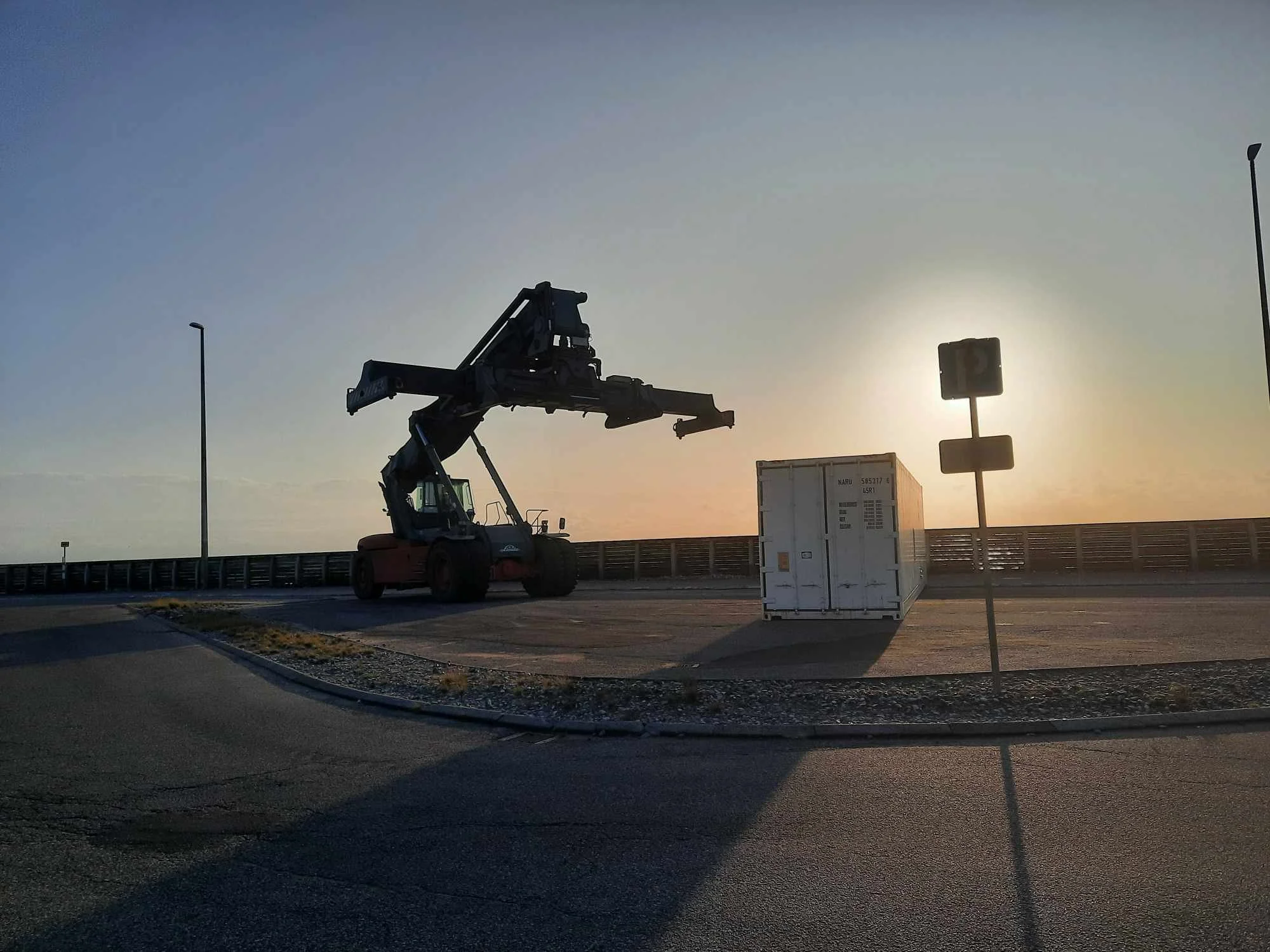
We deliver systems with specialized research containers with integrated lab setups, for easy and reliable performance
-
![corner of a blue ship container with clear blue sky behind]()
Design, Build & Operate
We design, build and operate customized cultivation- and laboratory systems, ensuring reliable performance and efficient operation
-
![Laboratory setup showing row of cylindrical containers with lights, containing water and green seaweed]()
Domestication
We develop robust, high-performance strains for cultivation, with focus on improving and adapting seaweed strains